

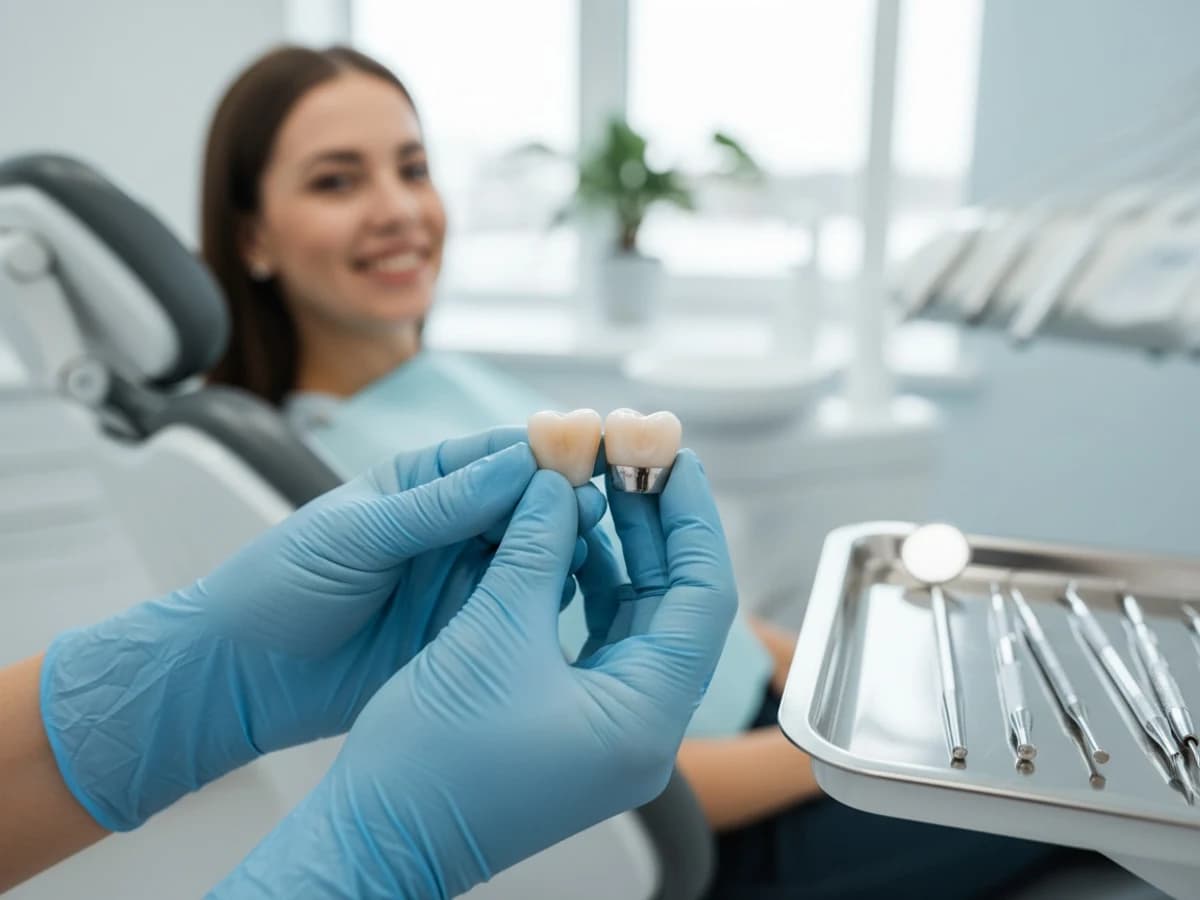
Zirconia vs PFM Front Crowns: Aesthetics and Longevity
Choosing the right material for a front (anterior) crown is one of the most important decisions in restorative dentistry. The crown you select affects not only how natural your smile looks, but how long the restoration lasts and how the surrounding gums respond. Two common choices are zirconia (a high-strength ceramic) and porcelain-fused-to-metal (PFM) crowns. This article explains the clinical differences between them—translucency, fracture resistance, soft tissue response, procedure steps, and realistic expectations—so you can discuss the best option with your dentist. At Dentsun International in Antalya we combine modern digital workflows with experienced lab work to help international patients achieve predictable, beautiful anterior restorations.
How zirconia and PFM differ in appearance
A major consideration for front teeth is translucency and color matching. Traditional PFM crowns use a metal substructure covered by layered porcelain. That metal core creates opacity that can be hidden well by skilled ceramic layering, producing excellent color depth and lifelike translucency at the incisal edge. This is why PFM has long been a reliable option for aesthetic zones.
Zirconia started as an opaque, monolithic ceramic with outstanding strength but limited translucency. Modern developments, however, have greatly improved its aesthetic performance. There are two common zirconia approaches:
- Monolithic zirconia – single-piece milled restorations with high fracture resistance but more opaque aesthetics. Best where strength is paramount.
- Layered (veneered) zirconia – a high-translucency zirconia core veneered with porcelain to reproduce enamel depth. This balances strength and aesthetics for the smile zone.
For anterior crowns, many clinicians now prefer layered zirconia when maximum lifelike translucency is needed, while monolithic zirconia remains attractive where durability is the priority. Digital shade matching, custom staining, and micro-layering techniques can further refine results in both systems.
Fracture resistance and expected longevity
From a mechanical standpoint, zirconia exhibits superior flexural strength and fracture toughness compared with the porcelain used on PFMs. Multiple clinical studies and reviews from 2010–2024 report higher survival and lower chipping rates for zirconia crowns. Reported survival estimates for zirconia restorations commonly exceed 90% at mid-term follow-up, with monolithic zirconia showing the greatest resistance to fracture. PFM restorations also demonstrate good longevity, but porcelain chipping and marginal porcelain failure occur more frequently in some cohorts.
That said, anterior crowns generally face different forces than posterior teeth. While posterior data helps inform expectations, anterior-specific outcomes are encouraging: zirconia shows strong durability with low failure rates when properly designed and cemented. Important factors influencing longevity include preparation design, occlusal scheme, cementation protocol, and whether the patient bruxes.
Gum health and biocompatibility
Soft tissue response is crucial around front crowns where the gingival margin is visible. Zirconia tends to show excellent soft tissue compatibility: lower plaque accumulation and reduced gingival inflammation have been reported in several studies compared with metal-based restorations. This can translate into healthier-looking gum contours and less bleeding on probing in the early months after placement.
PFM restorations are biocompatible in most patients, but metal substructures can sometimes create a subtle gray line at the margin if the tissue recedes, and rare metal sensitivities may occur. For patients with high smile lines or thin gingival biotypes, the absence of a metal margin is often an aesthetic advantage of zirconia-based solutions.
Clinical procedure and modern techniques
Anterior crown preparation and delivery generally follow these clinical steps:
- Comprehensive smile assessment and digital photographs/CBCT as needed.
- Tooth preparation—typically 1.0–1.5 mm facial reduction for aesthetics; feather-edge or shoulder margins can be used depending on material and lab preferences. Studies show feather-edge zirconia preps can perform as well as conventional designs when done digitally and precisely.
- Digital intraoral scanning or conventional impressions. CAD/CAM workflows offer excellent fit and reduced try-in time.
- Laboratory fabrication—monolithic zirconia is milled and sintered; layered zirconia receives porcelain veneering and characterization. PFM frameworks are cast and layered with porcelain.
- Cementation—zirconia may be conventionally cemented or adhesively bonded depending on preparation and retention; PFM crowns are usually cemented with conventional luting agents.
Turnaround times can be fast with modern digital milling labs. At clinics like Dentsun International we integrate digital scanning and in-house laboratory coordination to streamline international patient visits while maintaining high-quality aesthetics and fit.
Practical aftercare and risk management
Aftercare is similar for both crown types, with a few material-specific notes:
- Maintain excellent daily oral hygiene—soft-bristled brush, interdental cleaning, and regular professional hygiene every 4–6 months.
- Avoid hard biting on ice or very hard objects immediately after cementation. Permanent occlusal adjustments are checked at the 1–2 week recall.
- For bruxers or heavy clenchers, a nightguard is strongly recommended. Zirconia can be abrasive to opposing enamel if the occlusion is not well managed.
- Regular recalls and radiographs help detect marginal breakdown or recurrent decay early—key to long-term success.
Choosing the right option for your smile
Which crown is best depends on the clinical situation and patient priorities. Consider these guiding points:
- Priority on maximum translucency and ultra-natural incisal effects: layered zirconia or a highly skilled PFM technique may be preferred.
- Priority on long-term fracture resistance and minimal chipping: monolithic zirconia or a layered zirconia with strong core is often the stronger choice.
- Thin gingival tissues/high smile line: zirconia’s excellent soft tissue response and no-metal margin are advantageous.
- Bruxism or heavy occlusion: choose high-strength designs and consider protective appliances to limit opposing wear.
Discuss these factors with your restorative dentist. Digital mock-ups, trial veneers, or temporary crowns can help preview the final aesthetic result before committing to the definitive restoration.
Why consider treatment in Antalya and at Dentsun International?
Patients from Europe and beyond choose Antalya for dental care because modern clinics here combine international standards, experienced multidisciplinary teams, and efficient travel logistics. At Dentsun International we focus on digital planning, precise lab communication, and patient comfort during every visit—important when you’re travelling for care. We will plan your appointments to minimize time away from home while ensuring meticulous aesthetic and functional outcomes for anterior crowns.
Final thoughts
Both zirconia and PFM remain viable options for anterior crowns, but recent clinical evidence favors zirconia—especially modern layered and monolithic formulations—for superior fracture resistance and soft tissue response. When aesthetic subtleties are critical, layered zirconia or carefully executed PFM techniques can deliver outstanding results. The best choice combines material science with individualized planning: accurate digital impressions, appropriate preparation design, and a lab workflow that reproduces the desired shade and translucency. If you’re considering a front crown and want a professional assessment, our team at Dentsun International can review your case, show examples, and create a treatment plan tailored to your smile and travel needs.


