

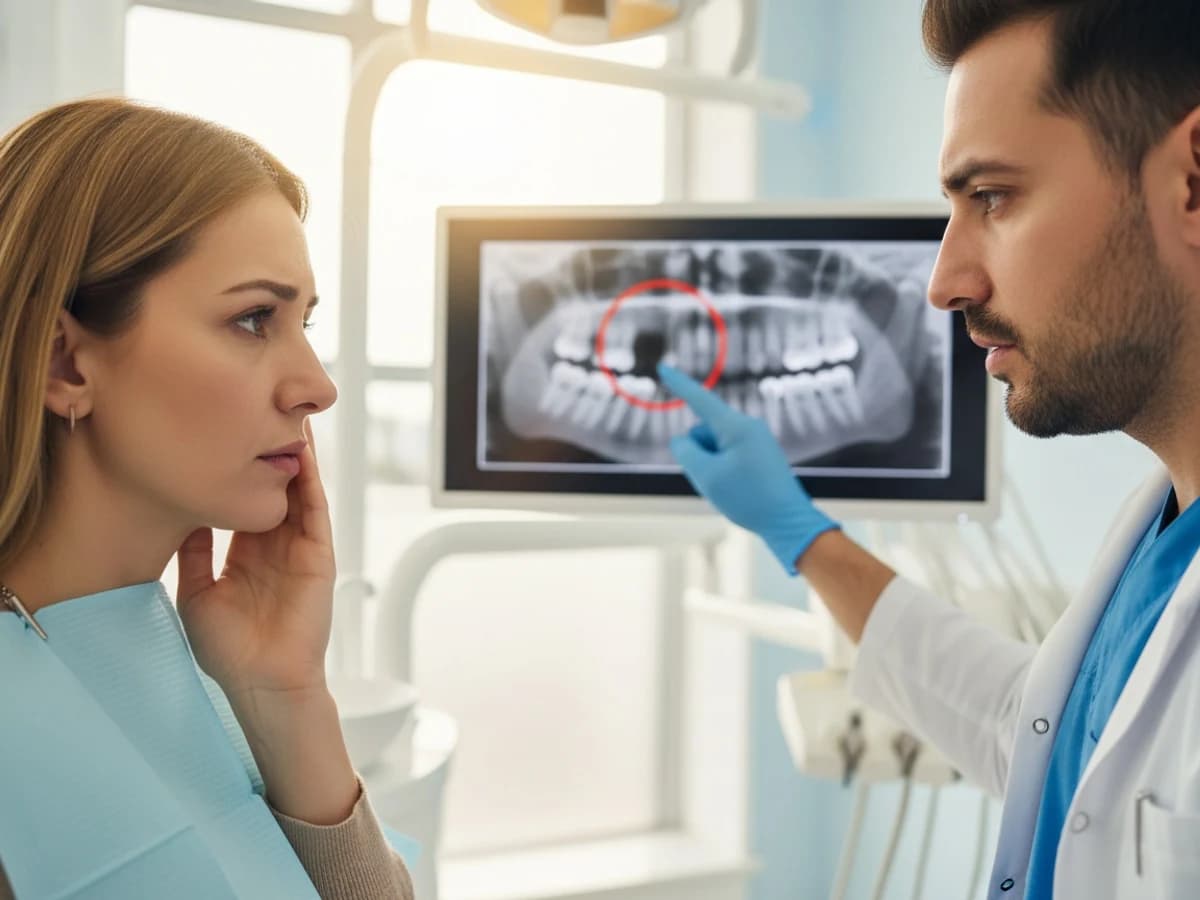
What happens if a severely decayed tooth is not extracted?
Leaving a severely decayed tooth untreated can feel like a small risk at first, but the consequences can escalate quickly. Decay that starts in the enamel will progress into the dentin and, if unchecked, into the dental pulp — the soft tissue that contains nerves and blood vessels. Once the pulp becomes inflamed (pulpitis) or necrotic, bacteria can travel through the root tip and form a periapical abscess. From there, infection can spread into surrounding soft tissues and, in rare but serious cases, beyond the mouth. At Dentsun International Dental Center we focus on helping patients understand these risks and the practical steps to manage them safely and comfortably.
How tooth decay progresses and why timely treatment matters
Tooth decay is a dynamic process. Early lesions confined to the enamel can sometimes be arrested or partially reversed with fluoride and improved oral hygiene. However, once decay reaches dentin and the pulp, the tooth cannot heal on its own and definitive treatment is required. Typical steps in the progression include:
- Enamel demineralization and cavitation
- Dentin involvement with increasing sensitivity
- Pulpitis — lingering or spontaneous pain and possible nighttime discomfort
- Pulp necrosis and periapical abscess — localized pus at the root tip causing swelling and severe pain
- Spread to soft tissues (cellulitis), deeper neck spaces, or systemic signs in uncommon but dangerous scenarios
Signs that the problem is advancing — seek care promptly
Not all toothaches require emergency care, but some warning signs mean you should be seen same day or go to emergency services:
- Rapidly increasing swelling of the face, cheek, or jaw
- Fever, chills, or generally feeling unwell
- Difficulty opening the mouth (trismus), swallowing (dysphagia), or breathing
- Severe, uncontrolled tooth pain or pain that wakes you at night
- Enlarged, tender lymph nodes near the jaw or neck
If you experience any of these, immediate assessment is important because infection can spread to adjacent spaces and—rarely—become life-threatening.
Treatment options: preserve or remove
Management depends on how much healthy tooth structure remains, whether the pulp is involved, and whether the tooth can be rebuilt predictably. The main options are:
- Conservative restoration — for limited decay, removal of carious tissue followed by composite resin or other restorations can save the tooth.
- Root canal therapy (endodontics) — when the pulp is infected but the tooth is structurally restorable, root canal treatment removes infected pulp, disinfects the canals, and seals them. A definitive restoration (often a crown) is usually placed afterward to protect the tooth from fracture.
- Extraction — chosen when a tooth is non-restorable due to extensive destruction, vertical root fracture, recurrent infections after prior treatment, or when reconstruction is unlikely to succeed. Extraction removes the source of infection and may be combined with drainage if an abscess is present.
A practical clinical rule that guides decision-making is: if a tooth cannot be predictably rebuilt after infection control, extraction is the safer endpoint. This keeps the focus on eliminating infection and protecting overall health.
Diagnostics and modern techniques we use
Accurate diagnosis guides safe treatment. Standard tools include:
- Digital radiography to evaluate the extent of decay and periapical disease
- CBCT (3D imaging) for complex anatomy, deep infection spread, or surgical planning when 2D images are insufficient
- Digital scanning for efficient, precise crowns and restorations after endodontic therapy
Materials and restorations commonly used include composite resin for smaller repairs, and ceramic crowns such as lithium disilicate (e.max) for esthetics or zirconia for high strength in posterior teeth. When appropriate, temporary materials are used during staged treatment to control infection between visits.
Antibiotics, pain relief and why pills alone aren’t enough
Antibiotics and analgesics can help control symptoms and support the body while definitive care is arranged, but they do not remove the source of infection. Pain relief is important for comfort, yet the standard of care for a severely decayed and infected tooth is source control — either endodontic therapy or extraction. If you have spreading infection signs, antibiotics will often be prescribed alongside urgent dental treatment.
What to expect after treatment and practical aftercare
If a tooth is extracted, the most noticeable pain and swelling usually occur in the first 24–72 hours, improving thereafter. Full soft-tissue healing of the socket takes place over 1–2 weeks, and patients are advised to:
- Avoid vigorous rinsing for the first 24 hours, then rinse gently with warm salt water as instructed
- Stick to a soft diet initially and avoid chewing on the extraction side
- Use prescribed pain relief and take antibiotics if indicated
- Contact the clinic urgently for increasing swelling, fever, or persistent bleeding
After a root canal, some soreness for a few days is common. A definitive crown or onlay is typically recommended to protect the tooth from fracture, particularly when a large portion of the tooth was lost to decay.
Replacing a removed tooth
When extraction is necessary, options to restore chewing function and aesthetics include dental implants, fixed bridges, or removable prostheses. Digital scanning and 3D planning can streamline implant placement and restoration when appropriate. The right choice depends on medical history, bone availability, and your personal preferences — our team at Dentsun International can outline individualized options during your consultation.
Prevention — the best strategy
Preventing progression is far easier than treating advanced disease. Practical steps include:
- Daily brushing with fluoride toothpaste and interdental cleaning (floss, interdental brushes)
- Reducing frequency of sugary snacks and acidic drinks
- Regular dental check-ups and professional fluoride treatments when indicated
- Early treatment of small cavities before they reach the pulp
Why choose Antalya for dental care (if you’re traveling)
Antalya is a popular destination for international patients because modern clinics combine high clinical standards with convenient travel connections. At Dentsun International we use up-to-date imaging and restorative materials, multilingual patient support, and coordinated scheduling to make care efficient and comfortable for visitors. If you’re planning dental treatment while traveling, we help you understand the treatment timeline and coordinate follow-up care.
Frequently asked questions
Q: Can I just take painkillers and wait?
A: Painkillers can help temporarily, but they don’t remove infection. If symptoms suggest pulp or spreading infection, prompt dental assessment is necessary.
Q: Will a root canal cure an infected tooth?
A: When performed correctly on a restorable tooth, root canal therapy has a high success rate. A well-sealed final restoration is essential to long-term success.
Q: How long does recovery take after extraction?
A: Most patients feel much better within 48–72 hours; soft-tissue healing continues for up to two weeks. Follow post-op care instructions closely and contact us for concerning signs.
If you’re worried about a decayed tooth or experiencing pain or swelling, contact Dentsun International Dental Center for a prompt evaluation. Early action helps avoid complications and keeps treatment options open — we’re here to guide you through safe, evidence-based care and make the process as comfortable as possible.


