

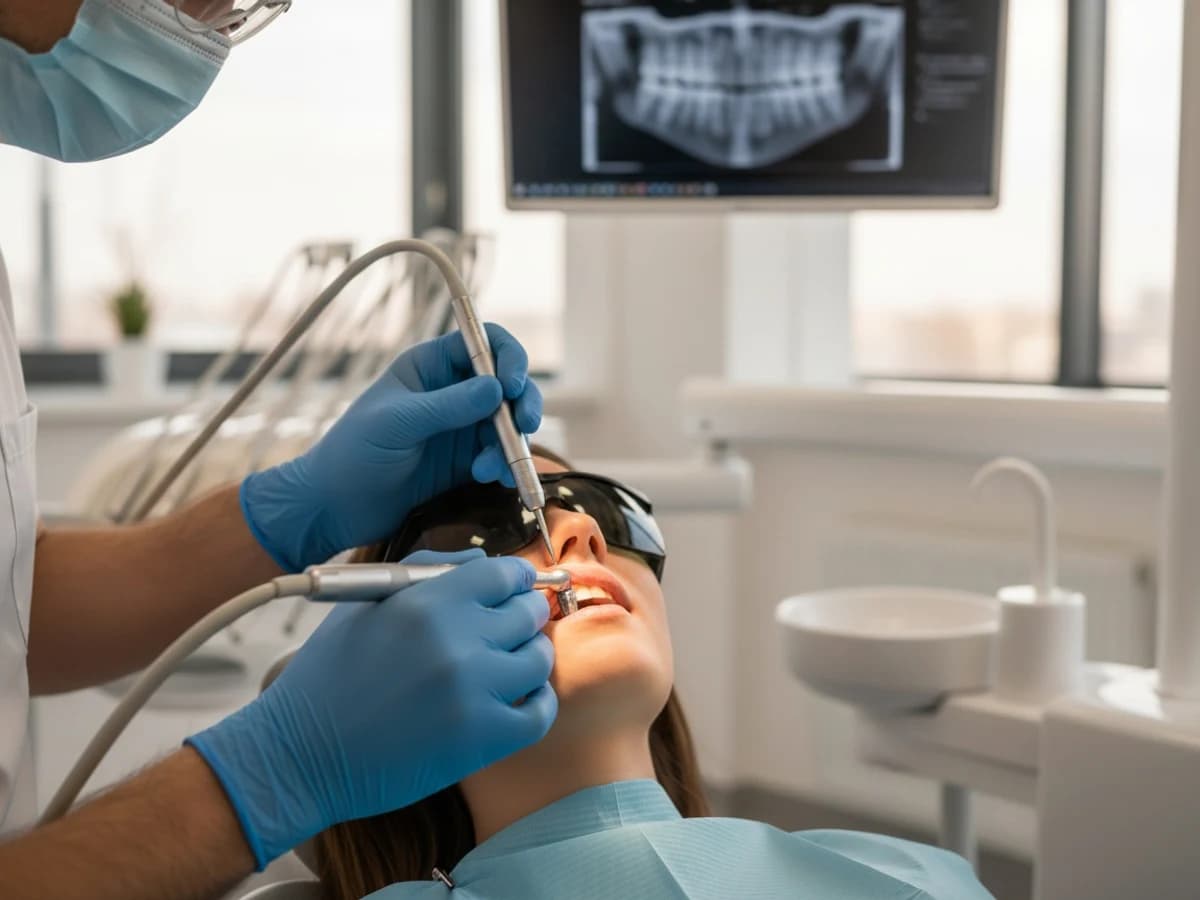
Considering a single-tooth implant: an overview
Losing a tooth can feel overwhelming, but a single-tooth dental implant restores both the missing root and the visible tooth in a way that looks natural, preserves bone, and helps maintain adjacent teeth. The process is staged and evidence-based: careful diagnosis and planning, a precise surgical placement of a titanium implant, a healing period for osseointegration, and finally an abutment and custom crown. Timelines usually span a few months rather than days, and outcomes are excellent with proper case selection and maintenance.
Step 1 — Consultation, diagnosis and treatment planning
The first visit focuses on your medical history, intraoral examination and imaging. Expect:
- Traditional X-rays and, in most cases, a CBCT (cone-beam CT) scan to evaluate bone volume, sinus location and nearby anatomy.
- Assessment of gum health, bite forces, and the condition of adjacent teeth.
- A discussion of options (immediate vs staged placement, need for bone grafting, temporary tooth solutions) and a clear treatment timeline.
Digital planning software can be used to simulate implant position. Using a surgical guide created from these plans improves precision and often reduces surgical time and invasiveness.
Step 2 — Pre-surgical preparation
If the tooth is still present and unrestorable, extraction may be scheduled first. When bone is insufficient, a graft may be placed either at the time of extraction or as a separate procedure. Practical pre-op instructions commonly include avoiding tobacco, arranging someone to drive if you plan sedation, and reviewing your current medications—some may require temporary modification.
Step 3 — Implant surgery (what happens in the chair)
Single-implant placement is typically an outpatient procedure performed under local anesthesia, with sedation options for anxious patients. The clinical sequence usually looks like this:
- The clinician minimally elevates the gum or uses a flapless approach when suitable.
- Sequential drilling prepares a precise osteotomy (bone site); depth and angulation are controlled by the plan or a surgical guide.
- A titanium implant body is inserted and torqued to achieve primary stability.
- Either a healing cap (one-stage) or a cover screw with soft-tissue closure (two-stage) is placed to protect the implant while it integrates.
Most patients report manageable discomfort after the anesthetic wears off. Cold packs, prescribed pain relief, and short-term soft foods help in the first 48–72 hours.
Step 4 — Healing and osseointegration
The implant and bone need time to bond in a process called osseointegration. This typically takes about 2 to 6 months, depending on bone quality, whether grafting was performed, and individual healing capacity. During this period:
- Avoid heavy chewing on the implant site until your clinician confirms integration.
- Keep meticulous oral hygiene—gentle brushing, interdental cleaning around neighboring teeth, and any antimicrobial rinses recommended by your clinician.
- Attend scheduled follow-ups so your team can monitor healing and catch any early signs of complications.
Step 5 — Abutment connection and impressions/scanning
After sufficient integration, the implant is exposed (if it was covered) and a healing abutment is placed to shape the gum. Once the soft tissue has settled—often after a couple of weeks—the final restorative stage begins. Your clinician will take an impression or use a digital intraoral scanner to capture exact details of the implant position and surrounding gums. The lab then fabricates a custom abutment and crown.
Step 6 — Final crown delivery and bite adjustment
At the final appointment the abutment is connected and the permanent crown—commonly made from modern ceramics such as zirconia or lithium disilicate (e.max)—is fitted. Crowns may be screw-retained for easy retrievability or cemented depending on the case. Your dentist will check fit, occlusion (bite), and esthetics, making small adjustments so the restoration feels comfortable and functions naturally.
Recovery expectations and practical aftercare
Most patients experience the greatest swelling and discomfort in the first 48–72 hours. Practical aftercare tips:
- Use cold packs intermittently during the first day.
- Follow prescribed medication and avoid NSAIDs only if your clinician has instructed otherwise.
- Maintain a soft diet for several days and avoid very hard or sticky foods while the implant heals.
- Brush gently with a soft brush near the surgical site and use interdental brushes as instructed; antimicrobial rinses can be useful for short-term plaque control.
- Avoid smoking and excessive alcohol—both impair healing and increase complication risk.
Risks, complications and when to call us
Dental implants have a strong track record, with general evidence-based estimates indicating mid-to-high 90% long-term survival in appropriately selected cases. However, complications can occur:
- Early: bleeding, swelling, infection, wound opening, or failed primary stability.
- Late: peri-implant mucositis or peri-implantitis (gum and bone inflammation), screw loosening, crown damage, or implant failure.
Contact your clinic promptly if you experience persistent or increasing pain after the first few days, uncontrolled bleeding, fever, pus or drainage, implant mobility, or a loose-feeling crown.
Modern techniques and evidence-based best practices
Improvements in imaging, digital workflows and guided surgery have increased predictability and patient comfort. Key best practices include:
- CBCT-guided planning to map anatomy and select implant size and position precisely.
- Use of surgical guides for accurate, less invasive placement when indicated.
- Digital impressions for faster, more comfortable restorative workflows.
- Careful soft-tissue management to create a natural emergence profile and make hygiene easier long-term.
- Regular professional maintenance to detect and treat early signs of inflammation before bone loss occurs.
Why consider treatment in Antalya with Dentsun International
Many international patients choose Antalya for dental care because it combines experienced clinicians, modern clinics and convenient travel connections. At Dentsun International we provide CBCT-guided planning, experienced implant surgeons, and a comprehensive digital workflow from planning to final crown—all designed to make your implant journey as safe, efficient and comfortable as possible. Our team will guide you through practical travel arrangements, treatment scheduling, and post-treatment follow-up so you can focus on healing and returning home with a confident smile.
If you’re considering a single-tooth implant, the next best step is a detailed consultation. Bring your questions and any previous dental records—Dentsun International’s team will explain your options, answer concerns and outline a clear, personalised plan so you know what to expect at every stage.


