

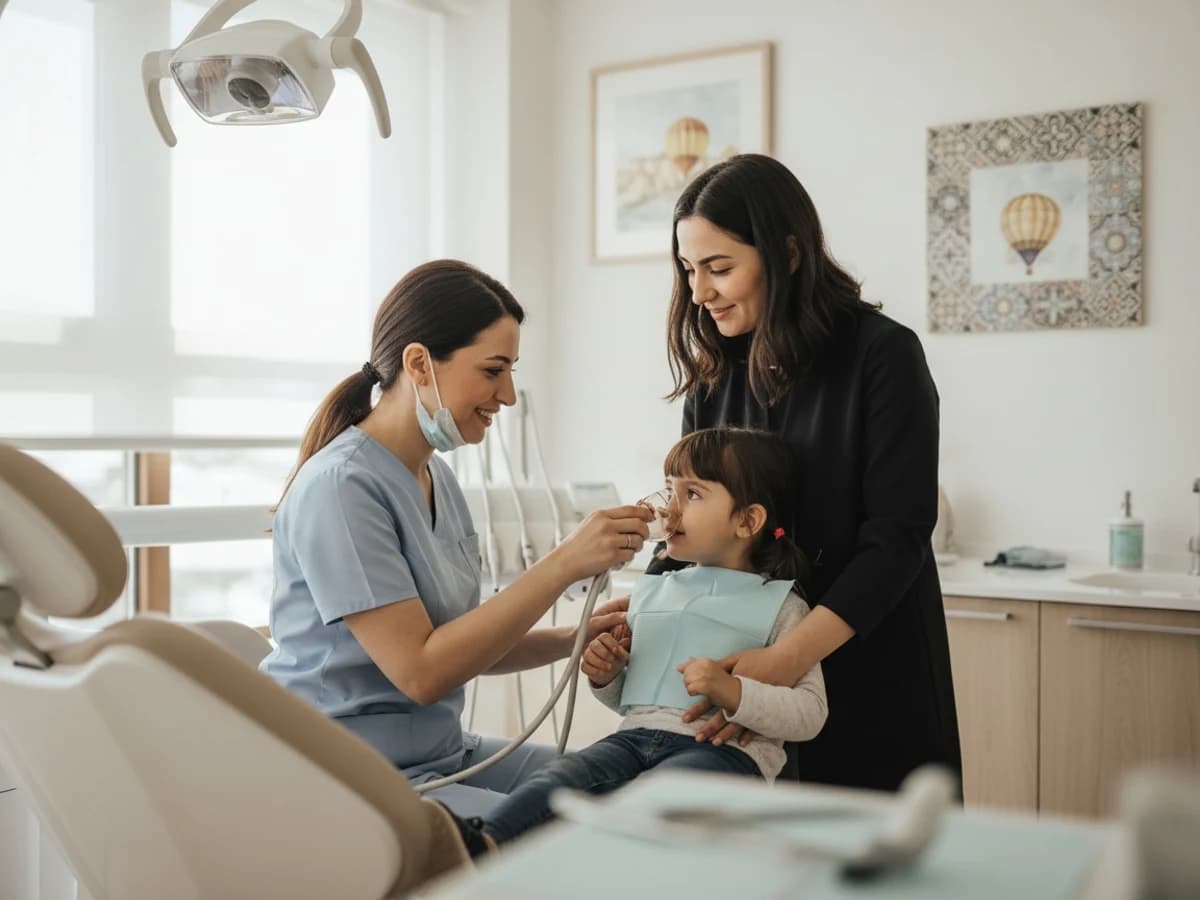
Traveling with Children for Dental Treatment in Turkey: What to Expect
Traveling abroad for pediatric dental care can feel overwhelming, but with the right preparation it can be a safe, efficient, and positive experience for the whole family. This guide is aimed at helping parents understand practical steps, clinical options, and what you can expect when arranging dental care for children in Antalya and other parts of Turkey. Dentsun International Dental Center welcomes families and focuses on clear communication, evidence-based care, and child-centred comfort to make your visit as smooth as possible.
Why choose Antalya for pediatric dental care
Turkey — and Antalya in particular — has become a popular destination for international families seeking high-quality pediatric dental services. Many clinics follow international sterilization and safety standards, use modern dental technology, and employ paediatric-trained dentists. Antalya’s accessibility from many European cities, English-speaking patient coordinators, and family-friendly tourist infrastructure make it convenient for combining care with short stays.
Before you travel: essential preparations
Advance planning reduces stress and improves outcomes. Consider the following practical steps:
- Medical and dental records: Send recent medical history, medication lists, allergy information, and your child’s dental records (radiographs, treatment notes) to the clinic beforehand so the dental team can plan appropriately.
- Pre-appointment consultation: Schedule a video or phone consultation to review the proposed treatment plan, sedation options, fasting instructions, and any specific medical requirements.
- Informed consent and documentation: Ensure the clinic provides written treatment plans and informed consent forms in a language you understand. Ask for translations if needed.
- Insurance and emergency coverage: Check that your travel insurance includes medical and dental emergency coverage and that you understand how to access emergency care away from the clinic.
- Timing and school considerations: Plan appointments to minimize missed school days; many clinics offer flexible scheduling for families.
What to pack and bring for your child
- Comfort item (favorite toy or blanket) to reduce anxiety.
- Copies of vaccination records and emergency contact details.
- Any regular medications in original packaging, plus dosing instructions.
- Written post-operative instructions or contact information provided by the clinic.
- Light snacks for after the procedure if diet is not restricted; follow the clinic’s guidance for post-sedation feeding.
Sedation and anesthesia: options and safety
Pediatric dentists use a range of sedation and anesthesia options depending on the child’s age, medical history, anxiety level, and the complexity of treatment. Common options include:
- Local anaesthesia: Numbing the area with topical and injectable local agents for most restorative work and extractions.
- Nitrous oxide (laughing gas): A mild inhaled sedation useful for anxiety reduction; onset and recovery are fast and it is often combined with local anaesthesia.
- Oral sedation: Prescribed medication taken by mouth to reduce anxiety; requires planning, monitoring, and clear fasting rules.
- General anaesthesia (GA): Reserved for extensive treatment or children with special healthcare needs; performed in fully equipped facilities with trained anaesthesiology staff.
Safety measures include pre-sedation assessments, adherence to fasting guidelines (commonly solids 6–8 hours, breast milk 4 hours, clear fluids 2 hours — always confirm with your clinic), continuous monitoring of vital signs, and post-procedure observation until the child meets discharge criteria. Always disclose medical history, recent illnesses, and current medications during the pre-op assessment. Reputable clinics will follow paediatric sedation protocols and provide written instructions and emergency plans.
Child-friendly clinical care and anxiety reduction
Good paediatric dental care prioritizes creating trust and a calm environment. Techniques and amenities you might encounter include:
- Tell–show–do: The dentist explains procedures in child-friendly language, demonstrates with models, then proceeds to care.
- Distraction tools: Movies, music, or virtual reality for older children to shift focus during treatment.
- Parental presence: Many clinics allow a parent to stay in the room for non-sedated procedures to comfort the child.
- Behavioral guidance: Positive reinforcement and short, structured visits for anxious or very young children.
Clinical materials and technology you can expect
Modern paediatric clinics in Turkey commonly use:
- Digital radiography: Low-dose digital X-rays that reduce radiation exposure and improve diagnostic speed.
- Restorative materials: Tooth-coloured, BPA-free composite fillings for front and back baby teeth, and stainless steel crowns for extensive decay — both well-established, evidence-based choices in pediatric care.
- Sterilization protocols: Autoclave sterilization of reusable instruments, single-use consumables when appropriate, and documented infection-control workflows.
Recovery, follow-up and continuity of care
Clear post-operative instructions are essential. Expect written guidance on pain control, dietary restrictions, oral hygiene, and activity limits. Key follow-up logistics to arrange before you return home:
- Obtain digital copies of treatment records, radiographs, and a succinct report for your home dentist.
- Clarify emergency contact numbers and after-hours procedures with the clinic.
- Schedule or plan for any necessary short-term follow-up visits; some checks may be handled by your local dentist with shared documentation.
- Understand signs of complications (fever, uncontrolled bleeding, persistent severe pain, swelling worsening after 48 hours) and know when to seek immediate care.
Choosing the right clinic
When selecting a paediatric dental clinic abroad, verify credentials and ask specific questions about:
- The dentist’s paediatric qualifications and years of experience treating children.
- Accreditations or memberships in recognised dental organisations.
- Evidence of local sterilization standards and infection-control policies.
- Language support, international patient coordination, and aftercare arrangements.
Final reassurance
With thoughtful planning, open communication, and a clinic that specialises in paediatric care, dental treatment abroad can be safe and effective. If you’re considering treatment in Antalya, Dentsun International can help coordinate pre-trip consultations, explain sedation and safety protocols, and provide detailed records for follow-up at home. We aim to make your child’s experience as comfortable and reassuring as possible — reach out to arrange a consultation and get personalized guidance for your family’s journey.


