

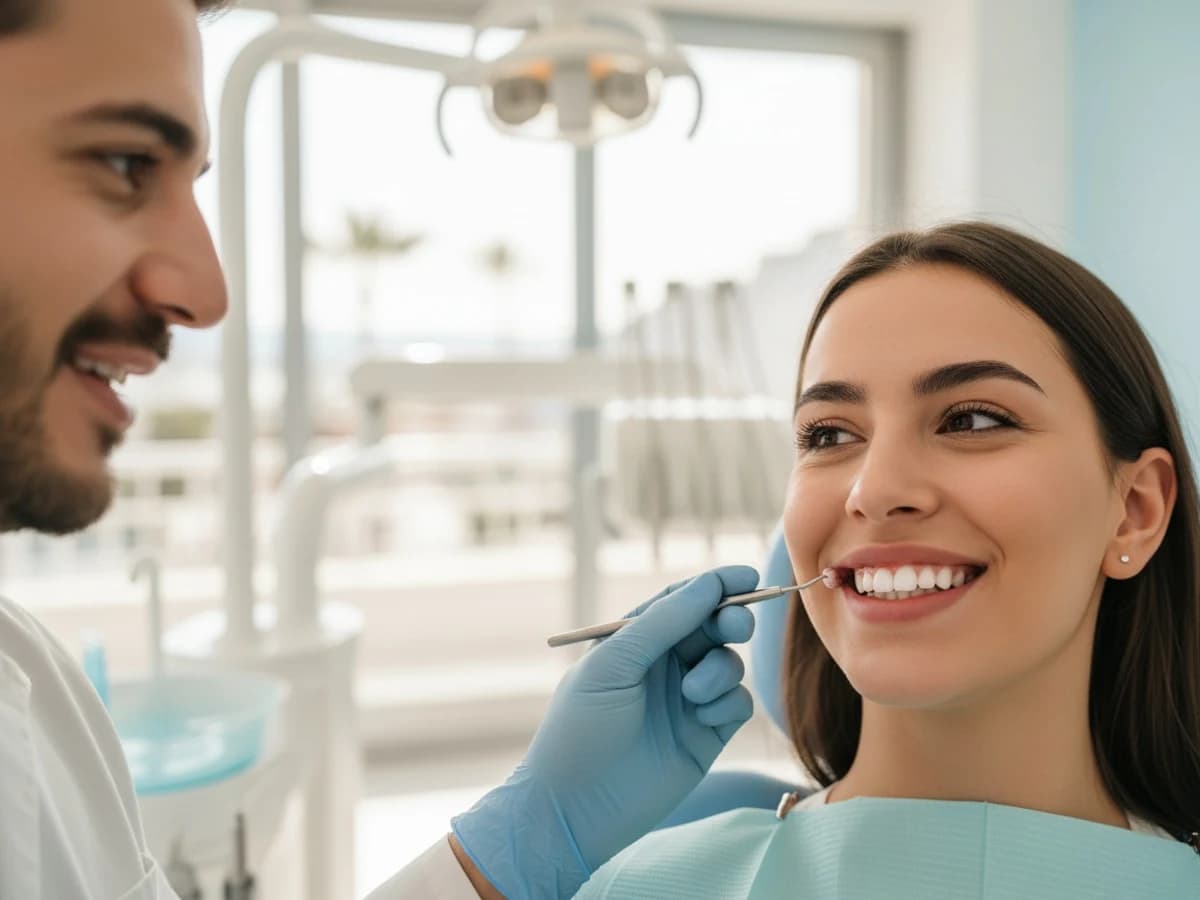
Can gum recession be reversed and gums restored naturally?
Receding gums can be worrying — you may notice longer-looking teeth, increased sensitivity, or exposed root surfaces. It’s important to know what is and isn’t possible: true regrowth of lost gum tissue does not reliably occur on its own. However, with timely care you can often stop progression, reduce symptoms, and in many cases restore gum coverage using predictable clinical techniques. This post explains causes, realistic home-care expectations, non‑surgical and surgical options, recovery, and practical steps you can take to protect your oral health.
What is gum recession and what causes it?
Gum recession occurs when the gingival margin pulls away from the tooth, exposing root surfaces. Common contributing factors include:
- Aggressive tooth brushing or using a hard-bristled brush
- Untreated gum (periodontal) disease and chronic inflammation
- Genetic predisposition and thin gingival biotype
- Tobacco use and poor oral hygiene
- Tooth position, orthodontic forces, or destructive habits such as clenching/grinding
Because the tissue that has already receded generally does not regenerate spontaneously, management focuses first on identifying and removing the underlying causes and stabilizing the situation.
What natural measures can help — and their limits
Many people try “natural” approaches such as oil pulling, aloe vera, green tea rinses, saltwater rinses, or increased vitamin intake. These measures may help reduce local inflammation, improve comfort, and support oral hygiene, but there is no reliable evidence that they cause true regrowth of lost gingival tissue. In other words, they can be supportive but are not a substitute for clinical assessment and, when needed, professional treatment.
Non-surgical clinical options
If recession is linked to periodontal inflammation or plaque buildup, non-surgical care is the appropriate first step. Typical measures include:
- Scaling and root planing (deep cleaning) to remove plaque and calculus below the gumline and smooth root surfaces to encourage a healthier attachment.
- Improved home care: gentle brushing with a soft-bristled brush, correct technique, and daily interdental cleaning.
- Antimicrobial rinses or short-term antibiotics where indicated to control bacterial load.
- Desensitizing agents and toothpastes to manage sensitivity from exposed roots; these improve comfort but do not restore tissue.
When inflammation is the main driver, treating it early can halt progression and sometimes allow some reattachment at the margin, but this is not the same as new gingival growth covering previously exposed root.
Surgical options for root coverage
When root coverage is desired for sensitivity, root protection, or aesthetics, periodontal plastic surgery can provide predictable results. Two commonly used approaches are:
- Connective tissue grafting — tissue is taken from the patient (often the palate) and placed to cover the exposed root and thicken thin gingiva. This technique has the strongest, most consistent evidence as a benchmark for predictable root coverage in suitable cases.
- Pinhole Surgical Technique (PST) — a minimally invasive approach that repositions existing tissue through a small entry point. PST can be effective in selected cases and offers quicker initial comfort, but outcomes are more operator‑dependent and case selection is crucial.
Choice of technique depends on the defect size, tissue thickness, patient expectations, and the clinician’s experience. Additional materials such as barrier membranes or biologic adjuncts may be used in some cases to support healing.
Diagnostics, materials and modern technology
Good planning improves predictability. Many clinics use:
- Digital scanning for accurate baseline records and monitoring subtle changes in the gingival margin over time.
- CBCT (cone‑beam CT) when three-dimensional assessment of bone, root anatomy or complex restorative needs is required.
- Autogenous grafts (patient’s own tissue) remain a mainstay for connective tissue grafting; some clinicians may supplement with membranes or biologics depending on the defect.
Treatment timeline and recovery
Typical pathway:
- Initial assessment: diagnosis, cause analysis (brushing habits, periodontal status, smoking, occlusion), and treatment planning.
- Non-surgical phase: hygiene instruction and scaling/root planing if inflammation is present — often the first step before any surgery.
- Surgical phase: if coverage is required, grafting or PST is planned once disease is controlled.
Recovery from deep cleaning is usually quick with temporary sensitivity. After grafting or PST, expect a short healing period: gentle oral hygiene near the site, prescribed antiseptic rinses if recommended, soft diet for a few days, and avoidance of smoking. Long‑term success relies on meticulous plaque control and regular maintenance visits.
Practical, actionable steps you can take today
- Schedule a professional periodontal assessment if you notice root exposure, increased sensitivity, tooth mobility, or changes in gum contour.
- Switch to a soft-bristled toothbrush and learn a gentle, controlled brushing technique from a dental hygienist.
- Use interdental cleaners (floss or interdental brushes) daily and an antimicrobial mouthwash when advised.
- Address contributing habits — smoking cessation, managing grinding/clenching (occlusal guard if prescribed), and correcting aggressive brushing.
- Discuss desensitizing treatments and, if needed, restorative options for root caries or abrasion defects.
- If you are considering surgical correction, ask about the clinician’s experience with connective tissue grafts and PST, and about digital/CBCT planning for predictable results.
When to seek specialist care
See a periodontist or experienced clinician if you have progressive recession, exposed root caries, persistent sensitivity, aesthetic concerns, or if you are considering restorative work near the gums. Specialist evaluation ensures correct diagnosis, appropriate case selection for surgery, and long‑term maintenance planning.
Why consider professional care in Antalya (and Dentsun International)
Antalya is home to modern dental clinics that provide advanced periodontal care, digital diagnostics, and experienced teams accustomed to treating international patients. At Dentsun International, our specialists evaluate the cause of recession, recommend evidence‑based non‑surgical or surgical options, and use modern planning tools to optimize outcomes. Many patients find the combination of clinical expertise, comprehensive planning, and convenient travel arrangements helpful when making treatment decisions.
In summary, while lost gum tissue does not reliably regrow naturally, early intervention, meticulous home care, and the right clinical treatment can stop progression, relieve symptoms, and — where appropriate — restore gum coverage predictably. If you’re concerned about recession, a professional assessment is the best first step toward a calm, effective plan tailored to your needs.


