

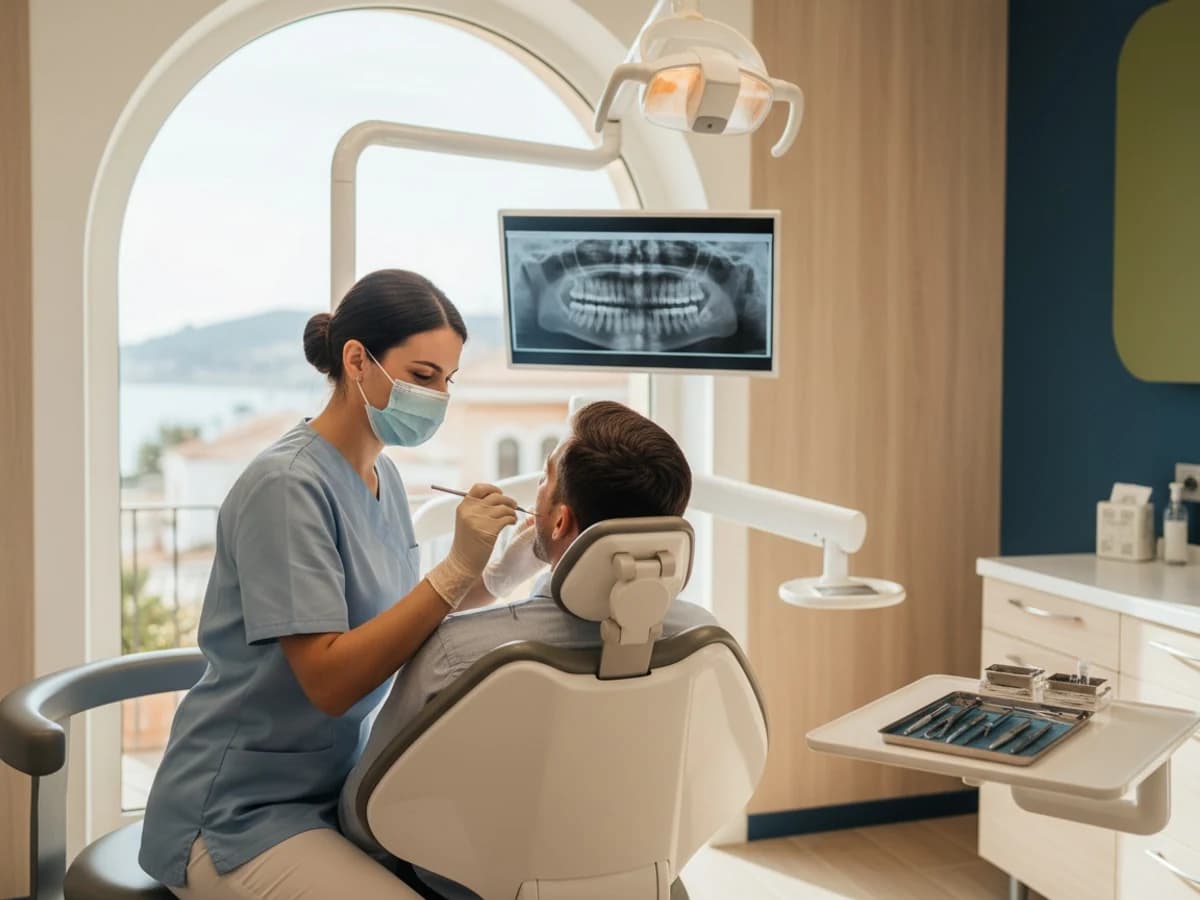
Full‑Mouth Rehabilitation: What Antalya Dental Tourists Should Expect
Full‑mouth rehabilitation (FMR) replaces or restores teeth in both jaws and often combines extractions, dental implants and fixed prosthetic bridges. For international patients planning treatment in Antalya, the process is predictable when you understand the diagnostics, staged steps, healing windows and the recommended trip planning. This guide explains a practical timeline, what happens at each visit, and how to prepare so your treatment and travel run smoothly.
Overview: Goals, Techniques and Typical Candidates
FMR addresses severe tooth loss, advanced decay, trauma or bite collapse. Most Antalya clinics use implant‑supported fixed prostheses such as All‑on‑4, All‑on‑6 or All‑on‑8 systems. These rely on titanium implants with a metal‑alloy infrastructure and long‑lasting superstructures (commonly porcelain‑fused‑to‑metal, PFM, or modern ceramic alternatives) to combine strength and aesthetics. Digital workflows—from CBCT scans to intraoral digital impressions—are standard, improving precision and often reducing chair time.
Typical Timeline and Two‑Trip Model for Tourists
Most international patients find a two‑trip approach both convenient and clinically sound. The first trip focuses on assessment, any necessary extractions and implant placement with temporary teeth; the second trip, usually 3–6 months later, is for the final prosthesis and adjustments.
- Trip 1 (4–10 days on site): Arrival, full diagnostics (CBCT, digital scans, clinical exam), customised treatment plan, extractions if required, implant surgery. Temporary prosthesis is fitted same day or within a few days if immediate loading is appropriate. Initial follow‑ups and suture removal occur before departure.
- Home healing (3–6 months): Osseointegration, the biologic bonding of bone to titanium, usually takes 3–6 months. During this time you wear the temporary bridge and follow dietary and hygiene instructions.
- Trip 2 (3–7 days, 3–6 months after): Final impressions, framework try‑in and delivery of the permanent prosthesis, occlusal adjustments and oral hygiene reinforcement. Final polishing and photographic records complete the case.
Immediate vs. Staged Loading: Which Is Right for You?
There are two clinically accepted approaches:
- Immediate loading: If bone quality and primary implant stability are adequate, temporary fixed teeth can be attached on the same day or within a few days. This gives immediate function and aesthetics—ideal for many international patients because it limits time away from home.
- Staged (delayed) loading: When bone is poor, or when additional grafting is required, implants are placed and allowed to integrate for 3 months or more before the prosthesis is attached. This approach can improve long‑term predictability in complex cases.
Your surgeon will recommend the safest option based on CBCT analysis and intraoral assessment.
Surgical Day, Recovery and Early Healing
Expect surgical time of approximately 2–4 hours per arch; full‑mouth cases may be completed over one or two days. After surgery, swelling and mild discomfort are normal and typically subside within 3–7 days. Clinics provide prescriptions, ice protocols, soft‑diet guidance and early follow‑up visits for suture removal and wound checks.
Key early care points:
- Sleep with head elevated for the first 48 hours to reduce swelling.
- Soft foods for the first 2–4 weeks; avoid heavy biting on the implants until your clinician clears you.
- Use antibacterial mouth rinses as advised and follow specific cleaning instructions around implant sites.
Materials, Technology and Laboratory Work
Modern FMR in Antalya uses a combination of reliable materials and digital precision. Common elements include:
- Titanium implants for osseointegration and long‑term stability.
- Metal‑alloy frameworks supporting PFM or ceramic crowns for strength and aesthetic contouring.
- CBCT imaging for 3‑D bone assessment and virtual implant planning.
- Intraoral digital scans and laboratory CAD/CAM work to fabricate accurate temporary and final prostheses.
Many clinics have on‑site or nearby labs that speed up prototype fittings and final delivery during the second visit.
Success Rates and Long‑Term Care
Long‑term studies report high implant and prosthesis survival when FMR follows evidence‑based protocols. Implant survival rates in comprehensive series exceed 90% over 10 years, and prosthetic survival is extremely high with proper maintenance. Long‑term success depends on regular hygiene, professional check‑ups and avoiding habits that overload the prosthesis (for example, using teeth as tools).
Routine maintenance typically consists of 3–6 month hygiene visits initially, then annual assessments when conditions are stable. Your Antalya clinic will provide a tailored follow‑up schedule.
Travel and Practical Planning for Antalya Patients
Practical planning makes treatment less stressful. Recommendations:
- Complete pre‑arrival paperwork and send current radiographs or photos for an online consultation. This helps the team at Dentsun International and other clinics prepare a tailored plan before you fly.
- Book flexible return flights for the first trip in case additional days are needed for healing or follow‑ups.
- Arrange airport transfer and comfortable accommodation near the clinic—many clinics offer coordinator services to assist with transport and scheduling.
- Bring a list of current medications and any relevant medical history. If you take blood thinners or have systemic conditions, notify the clinic well in advance for medical clearance.
Final Thoughts and How Dentsun International Can Help
Full‑mouth rehabilitation is a life‑changing treatment and, with modern digital planning and experienced surgical teams in Antalya, it is highly predictable. Antalya combines high‑quality clinics, modern technology and convenient travel connections, making it an attractive destination for international patients. At Dentsun International, we prioritise clear communication, evidence‑based treatment planning and a compassionate team to guide you through both visits and the home‑healing period. If you’re considering FMR, start with a virtual consultation so your personalised plan and trip timetable can be prepared before you travel.
With the right planning and aftercare, you can expect a comfortable recovery and a durable, natural‑looking result that restores function and confidence.


