

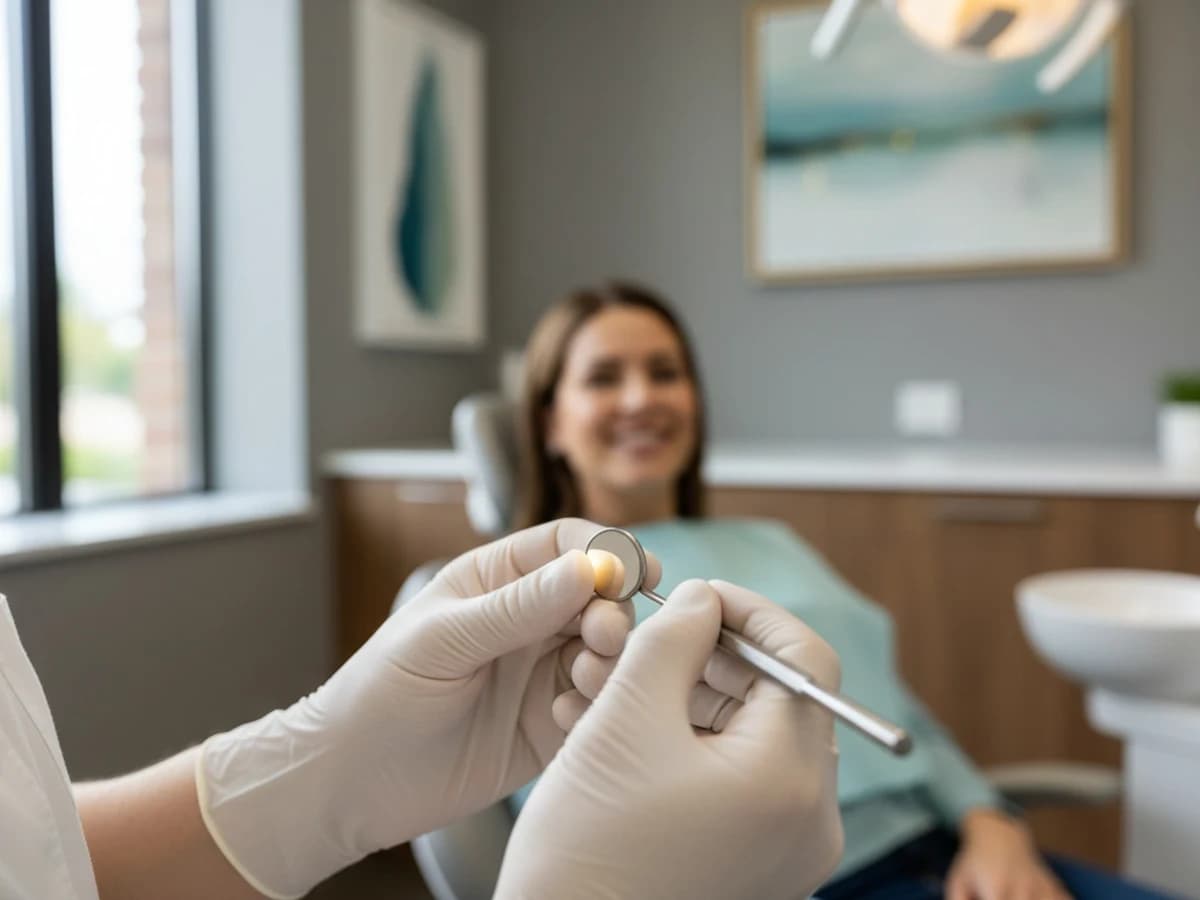
Worried your crown is causing bad breath? You’re not alone
Many patients notice an unpleasant smell after having a crown placed and worry that the crown material itself is at fault. In most cases the crown is not inherently smelly — rather, halitosis arises when there is plaque, trapped food, or bacterial leakage around or under a restoration. Understanding the common mechanisms, how dentists diagnose the problem, and practical steps you can take will help you solve the issue quickly and comfortably.
How dental crowns can contribute to bad breath
Bad breath associated with a crown is usually caused by local conditions that favour bacterial growth. The bacteria responsible for malodour produce volatile sulfur compounds (VSCs) and other odorous by‑products as they break down proteins. Crown-related problems that create sheltered niches for these bacteria include:
- Open or ill-fitting margins where the crown does not sit tightly against the tooth, allowing food and biofilm to accumulate.
- Cement washout or failure, creating a gap at the crown–tooth interface and permitting bacterial leakage beneath the restoration.
- Recurrent decay under the crown, particularly when a gap permits cariogenic plaque to persist.
- Gingival or peri‑coronal inflammation from plaque retention at the margin, which supports odour‑producing bacteria.
- Overhangs or rough margins that are difficult to clean and therefore trap debris.
It’s important to remember that the crown material (zirconia, lithium disilicate, PFM, or gold alloy) is rarely the culprit. The problem is usually a fit, seal or hygiene issue around the restoration.
What your dentist will check — clinical assessment
A predictable evaluation helps identify whether a crown is the source of bad breath. Typical assessment steps include:
- Clinical inspection of crown contours, margins and adjacent gum tissue for bleeding, swelling or pus.
- Checking for plaque, calculus, or visible gaps at the crown edge.
- Mobility testing to see if the crown is loose.
- Digital radiographs to reveal recurrent caries, marginal breakdown or interproximal defects.
- Occasionally CBCT if there is concern about root pathology or bone changes that aren’t visible on routine X‑rays.
If the exam shows a true defect — an open margin, cement failure, or decay — corrective treatment is typically recommended. If the crown and surrounding tissues appear healthy, the dentist will investigate other common halitosis sources such as tongue coating, dry mouth, or generalized gum disease.
Materials and technology that reduce the risk
Modern materials and digital workflows improve marginal fit and reduce the chance of plaque‑retentive defects:
- Zirconia and lithium disilicate (e.max) offer excellent fit and strength for many indications, with good surface polishability to resist plaque adherence.
- PFM and full metal/gold alloy remain durable options in certain clinical situations.
- Digital scanning and CAD/CAM milling frequently produce more consistent margins than traditional impressions, lowering the risk of open margins or overhangs.
- Digital radiography helps detect marginal caries and interproximal defects early; CBCT can be useful for more complex diagnostic questions.
In clinics that use fully digital workflows and precise milling, the likelihood of a poorly fitting crown — and therefore halitosis tied to a restoration — is reduced.
Everyday care: practical steps to prevent and control odor
You can do a lot to prevent bad breath around crowns with focused oral hygiene:
- Brush twice daily with a fluoride toothpaste, paying attention to the crown margin. Use a soft‑to‑medium brush and gentle circular motions.
- Floss daily to remove debris at the crown–tooth junction. If floss slides through a gap and frays or catches, let your dentist know.
- Use interdental brushes or a water flosser when embrasure spaces permit — these are especially helpful for posterior crowns.
- Clean your tongue daily with a tongue scraper or brush to reduce a major reservoir of VSC‑producing bacteria.
- Consider an alcohol‑free antiseptic mouthwash if recommended by your clinician, because alcohol can dry the mouth and worsen halitosis.
- Stay well hydrated and keep regular professional hygiene appointments for removal of plaque and calculus around restoration margins.
When a crown needs repair or replacement
If the crown has an identifiable defect, the typical treatment pathway is:
- Professional cleaning and removal of marginal plaque and old cement.
- Treatment of recurrent decay or periodontal inflammation if present.
- Adjustment of the crown if minor marginal discrepancies or overhangs exist.
- Repair or replacement of the crown when there is a true open margin, irreversible cement failure, or extensive recurrent decay.
Most of the time, correcting the defect and improving hygiene resolves the odour. Your dentist will explain whether a conservative repair is possible or whether a remake provides the best long‑term outcome.
Treatment timeline and recovery expectations
A straightforward crown replacement or repair typically follows a short timeline: initial assessment and imaging, preparation and impression or digital scan, lab/CAD‑CAM fabrication, then try‑in and definitive cementation. After treatment, mild sensitivity and some gum tenderness are common and usually settle within days to a couple of weeks. If the odour was caused by infection or deep decay, healing may take a little longer after appropriate therapy.
When to contact your dentist
Contact your dentist promptly if you notice any of the following around a crown:
- New, persistent bad breath despite good oral hygiene.
- Loosening of the crown or a feeling of a gap at the gumline.
- Gum bleeding, swelling or pus near the restoration.
- Persistent sensitivity or pain in the crowned tooth.
Early evaluation prevents progression of decay or infection and avoids more extensive treatment later.
Final reassurance
If you’re travelling to Antalya for dental care, many clinics including Dentsun International provide modern digital workflows, experienced prosthodontists and comprehensive follow‑up care — all designed to deliver well‑fitting, cleanable crowns and fast resolution of any problems. Remember: a crown itself normally isn’t the source of bad breath. With careful assessment, targeted hygiene and, when necessary, precise repair or replacement, most crown‑related halitosis can be resolved quickly and predictably.


